
Time:2026年01月22日 人气: 来源:本站原创
In terms of performance ranges, the flow rate of large-scale pumps can reach over hundreds of thousands of cubic meters per hour, while that of micro-pumps is less than tens of milliliters per hour. The discharge pressure of pumps can range from normal pressure up to 19.61 MPa (200 kgf/cm²) or even higher. The temperature of the conveyed liquids can be as low as -200°C or below and as high as 800°C or above. Pumps are capable of transporting a wide variety of liquids, such as water (including clean water and sewage), oil, acid-base solutions, suspensions, and liquid metals.
In the production processes of the chemical and petroleum industries, most raw materials, semi-finished products, and finished products are in liquid form. Converting raw materials into semi-finished and finished products involves complex technological procedures, where pumps play a crucial role in conveying liquids and providing the required pressure and flow rate for chemical reactions. In addition, pumps are also used in many installations for temperature regulation.
In agricultural production, pumps are the primary machinery for irrigation and drainage. China has a vast rural area, which demands a large number of pumps every year. Generally speaking, agricultural pumps account for more than half of the total pump output.
In the mining and metallurgical industries, pumps are also among the most widely used equipment. Mines rely on pumps for dewatering, while water supply is required during mineral processing, smelting, and rolling processes.
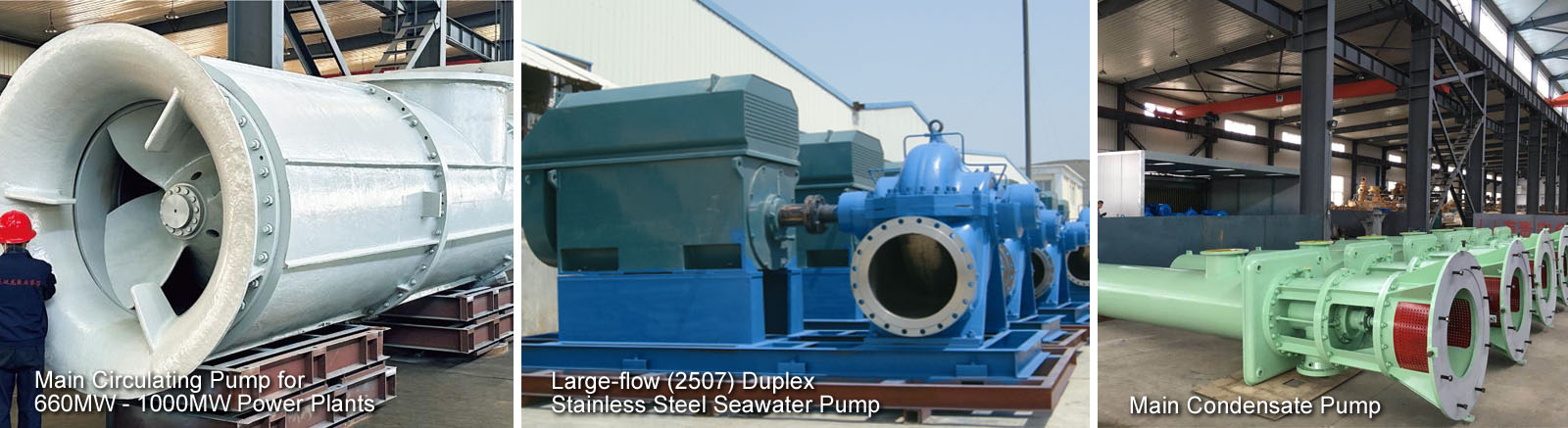
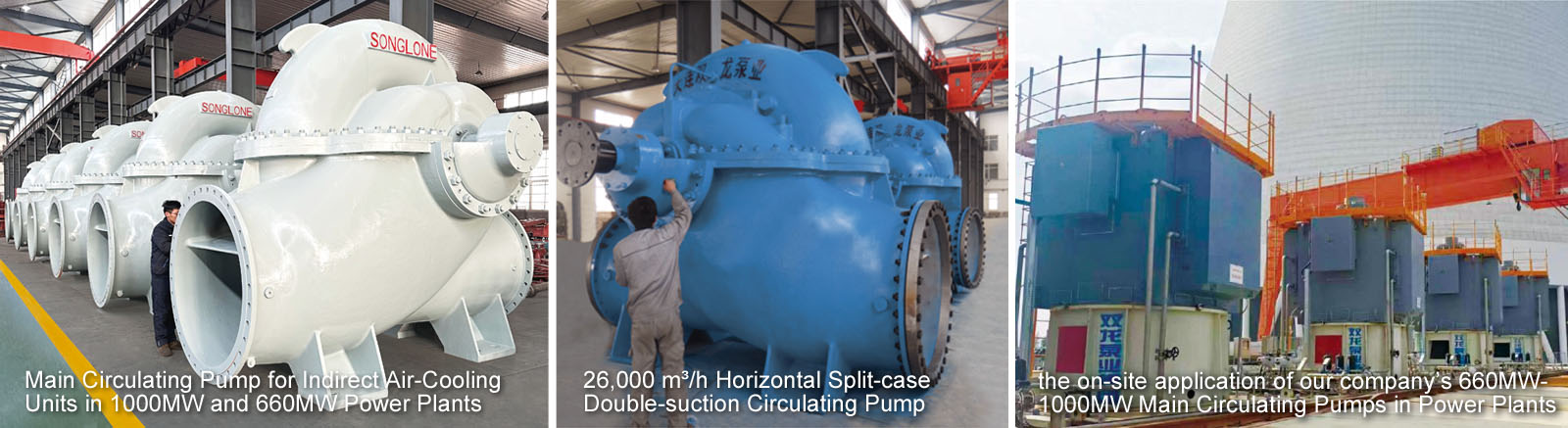
In the power sector, nuclear power plants require reactor coolant pumps, secondary pumps, and tertiary pumps. Thermal power plants need a large number of pumps such as boiler feedwater pumps, condensate pumps, circulating water pumps, and ash slurry pumps.
In national defense construction, pumps are essential for adjusting the flaps, rudders, and landing gear of aircraft; rotating the turrets of warships and tanks; and controlling the diving and surfacing of submarines. Some applications involve conveying high-pressure or radioactive liquids, and certain scenarios even require pumps to achieve zero leakage.
In the shipbuilding industry, each ocean-going vessel is typically equipped with more than 100 pumps of various types. Beyond these fields, pumps are also extensively used in urban water supply and drainage, water supply for steam locomotives, lubrication and cooling of machine tools, delivery of bleaching liquors and dyes in the textile industry, transportation of pulp in the papermaking industry, and conveying of milk and sugar-based foodstuffs in the food industry.
In summary, pumps are needed and in operation everywhere—whether in aircraft, rockets, tanks, submarines, drilling rigs, mining operations, trains, ships, or daily life. For this reason, pumps are classified as general-purpose machinery and represent an important category of products in the machinery industry.


 客服QQ
客服QQ