


Time:2026年01月22日 人气: 来源:本站原创
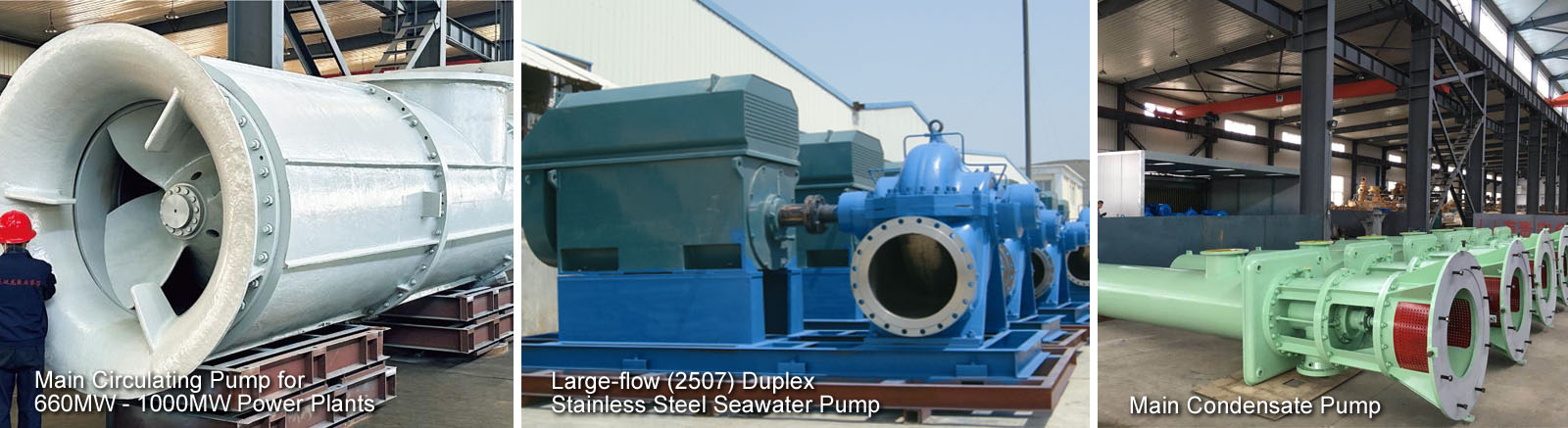
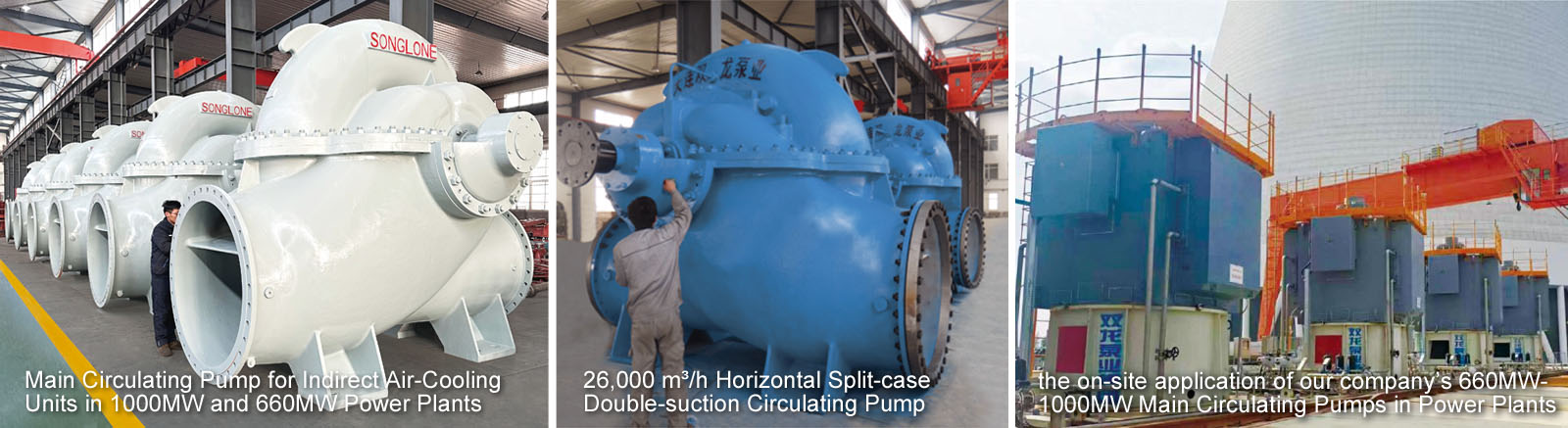
Select pumps based on local conditionsThe commonly used agricultural water pumps fall into three types: centrifugal pumps, axial-flow pumps, and mixed-flow pumps.
Centrifugal pumps feature high head but moderate flow rate, making them suitable for mountainous areas and well irrigation districts.
Axial-flow pumps offer large flow rate but relatively low head, which are ideal for plain areas.
Mixed-flow pumps have flow rate and head levels between centrifugal pumps and axial-flow pumps, and are applicable to both plain and hilly areas.
Users should select the appropriate pump type according to local terrain, water sources, and water lifting height.
Select pumps with appropriate margin above actual requirementsAfter determining the pump type, it is necessary to consider its economic performance, with special attention to the selection of pump head, flow rate and supporting power.It should be noted that there is a difference between the rated head (total head) indicated on the pump nameplate and the actual delivery head during operation. This is because water flow will generate a certain amount of resistance loss when passing through water delivery pipes and their adjacent components.Therefore, the actual head is generally 10%–20% lower than the rated head, and the flow rate will also decrease accordingly. In practical use, the pump should be estimated only by 80%–90% of the rated head and flow rate marked on the nameplate.For the selection of pump supporting power, it can be determined according to the power indicated on the nameplate. To ensure quick startup and operational safety of the pump, the power of the prime mover can be slightly higher than the required power of the pump—generally, a margin of around 10% is appropriate. If the prime mover is already available, the pump should be selected to match the power of the existing prime mover.
Purchase pumps through formal proceduresDuring purchase, it is required to verify the Three Certificates, namely the Agricultural Machinery Promotion License, Production License, and Product Inspection Certificate. Only pumps with complete certificates can avoid purchasing obsolete or inferior products.


 客服QQ
客服QQ